


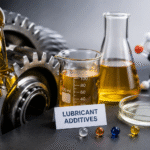
🧪 Lubricant Additives – Powering Performance, Protecting Machinery
Lubricant additives are the hidden heroes behind every high-performing lubricant. While base oils provide the foundation, additives are what transform ordinary lubricants into high-performance solutions capable of withstanding extreme temperatures, heavy loads, oxidation, corrosion, and wear. Whether used in automotive engines, industrial machinery, marine equipment, or hydraulic systems, the right additive package ensures longer equipment life, improved efficiency, and reduced maintenance costs.
As industries continue to demand greater reliability and sustainability, lubricant additives have become more important than ever. From enhancing viscosity stability to preventing sludge formation and protecting metal surfaces, these specialty chemicals play a vital role in maximizing lubricant performance. Understanding the different types of lubricant additives and their applications helps businesses choose the right solutions for their operational needs.
Below are some of the most important lubricant additive topics that every manufacturer, distributor, and industrial buyer should know.
🔹 What Are Lubricant Additives?
Lubricant additives are specialized chemical compounds blended with base oils to improve their physical and chemical properties. They enhance lubricant performance by reducing friction, minimizing wear, preventing corrosion, improving oxidation stability, controlling viscosity, and extending lubricant service life. Without additives, modern lubricants would struggle to meet the demanding conditions of today’s industrial and automotive applications.
🔹 Types of Lubricant Additives and Their Functions
Different lubricant additives are designed to solve different performance challenges. Common types include antioxidants, anti-wear additives, friction modifiers, detergents, dispersants, viscosity index improvers, pour point depressants, corrosion inhibitors, foam inhibitors, demulsifiers, rust preventives, tackifiers, and extreme pressure additives. Together, they ensure lubricants perform efficiently under varying operating conditions while protecting valuable machinery.
🔹 Pour Point Depressants
Pour Point Depressants improve the low-temperature flow characteristics of lubricants, allowing oils to remain fluid even in extremely cold environments. They prevent wax crystal formation, improve pumpability, reduce startup wear, and ensure reliable lubrication during cold-weather operations across automotive and industrial applications.
🔹 Viscosity Index Improvers
Viscosity Index Improvers help lubricants maintain consistent viscosity across a wide temperature range. They reduce excessive thinning at high temperatures and excessive thickening at low temperatures, ensuring reliable lubrication, enhanced engine protection, and improved fuel efficiency.
🔹 Anti-Wear Additives
Anti-wear additives form a protective layer on metal surfaces to reduce direct metal-to-metal contact under high-load conditions. This minimizes component wear, extends equipment life, reduces maintenance costs, and improves the overall reliability of engines and industrial machinery.
🔹 Friction Modifiers
Friction modifiers reduce resistance between moving surfaces, resulting in smoother equipment operation, lower energy consumption, improved fuel economy, and reduced operating temperatures. They are widely used in automotive engine oils and high-performance industrial lubricants.
🔹 Detergents and Dispersants
Detergent additives help neutralize acidic by-products and prevent deposit formation, while dispersants keep contaminants suspended within the lubricant until they are removed during oil changes. Together, they maintain cleaner engines, reduce sludge formation, and improve lubricant longevity.
🔹 Antioxidants
Antioxidant additives slow the oxidation process caused by heat and oxygen exposure. By preventing oil degradation, sludge formation, and viscosity increase, antioxidants significantly extend lubricant life and maintain consistent performance under demanding operating conditions.
🔹 Corrosion and Rust Inhibitors
Corrosion inhibitors protect metal components from moisture, chemicals, and environmental contaminants by forming a protective barrier on metal surfaces. These additives help extend machinery life, reduce maintenance expenses, and improve operational reliability in harsh industrial environments.
🔹 Extreme Pressure (EP) Additives
Extreme Pressure additives provide superior protection under heavy loads and high-contact stress. They prevent surface damage, scoring, and seizure in gears, bearings, and heavy industrial equipment, making them essential for demanding applications such as mining, manufacturing, and heavy machinery.
🔹 Foam Inhibitors and Demulsifiers
Foam inhibitors prevent excessive foam formation that can reduce lubrication efficiency and increase equipment wear. Demulsifiers promote rapid separation of water from lubricants, preserving oil quality, preventing corrosion, and maintaining optimal machine performance.
🔹 Lubricant Additives for Industrial Applications
Lubricant additives are widely used in hydraulic oils, compressor oils, turbine oils, gear oils, metalworking fluids, marine lubricants, greases, and automotive lubricants. Selecting the right additive package enhances equipment reliability, extends lubricant life, improves operational efficiency, and reduces overall maintenance costs.
🔹 Choosing the Right Lubricant Additives
Selecting the right lubricant additive depends on operating temperature, equipment type, load conditions, oxidation stability requirements, and environmental factors. A well-balanced additive package ensures maximum protection, optimal lubricant performance, and long-term equipment reliability across diverse industrial applications.
🔹 The Future of Lubricant Additives
The lubricant industry is evolving rapidly with innovations in bio-based additives, environmentally friendly formulations, electric vehicle lubricants, nanotechnology, and sustainable specialty chemicals. These advancements are helping industries achieve greater efficiency, improved equipment protection, and compliance with evolving environmental standards while shaping the future of modern lubrication.
